expert tips for selecting the best contact lenses for you
Choosing the right contact lenses can significantly enhance your vision and comfort. With various types and brands available, it's essential to understand your options. Here are some expert tips to help you select the best contact lenses for your needs.
Understand Your Prescription
Your first step in selecting contact lenses should be to consult your eye care professional. They will provide you with a prescription that details your vision requirements, including the power needed for each eye, the curvature of your cornea, and the diameter of your pupils. Make sure to have a recent eye exam, as your prescription can change over time.
Types of Contact Lenses
Contact lenses are available in two primary categories: soft lenses and rigid gas permeable lenses. Soft lenses are typically more comfortable and easier to adapt to, making them suitable for daily wear. They are available in various types, including daily disposables, bi-weekly, and monthly lenses. Rigid gas permeable lenses provide sharper vision and are more durable but require a longer adjustment period.
People Also Look For:
- Biotrue Multi-Purpose Contact Lens Solution, 2x 300ml - Cushions and Rehydrates Soft Contact Lenses for Comfortable Wear - Conditi...
- Biotrue Multi-Purpose Contact Lens Solution, 300 Ml - Cushions and Rehydrates Soft Contact Lenses Comfortable Wear - Condition, Cl...
- Boston Advance Cleaner Conditioning Solutions Multipack - 3X 30ml Cleaner, 3X 120ml Conditioning Solution, Contact Lens Solution f...
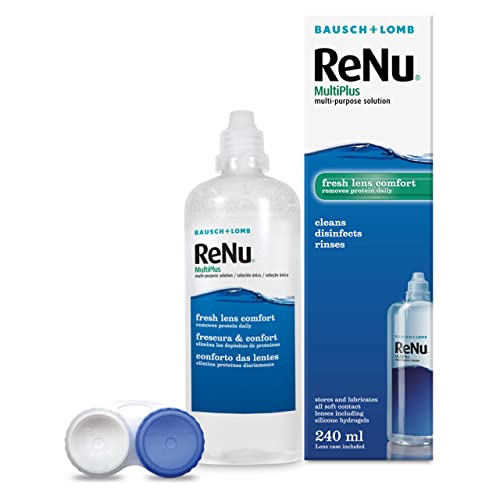
- Renu Advanced Multi-Purpose Contact Lens Solution 1 x 360ml – More Than Clean for Soft Contact Lenses – Condition, C...
- EasySept Peroxide Solution, 360ml - Contact Lens Solution with a simple One Step System for Disinfection of Soft Contact Lenses, L...
Consider Your Lifestyle
Your lifestyle plays a crucial role in selecting the best contact lenses. For example, if you lead an active life and engage in sports, daily disposable lenses might be more convenient as they reduce the risk of infections and can be discarded after use. If you often work long hours at a computer, consider lenses designed for digital eye strain, which may have special coatings to reduce glare.
Evaluate Your Comfort Needs
Comfort is paramount when selecting contact lenses. If you have dry eyes or sensitivity, look for lenses made from silicone hydrogel materials that offer increased oxygen permeability. Additionally, consider lenses with built-in moisture retention or those specifically designed for dry eye sufferers. Reading reviews or seeking recommendations from your eye care provider can also help identify the most comfortable options.
Choose the Right Brand
Different brands of contact lenses have various characteristics, such as thickness, water content, and design. Popular brands like Acuvue, Biofinity, and Air Optix offer a range of options, from daily disposables to extended wear lenses. Each brand has its unique technology aimed at providing comfort and clarity, so it may be worth trying different brands to find the one that works best for you.
Explore Specialised Lenses
If you have specific vision needs, such as astigmatism or presbyopia, consider specialised lenses. Toric lenses are designed to correct astigmatism, while multifocal lenses cater to those who require different prescriptions for reading and distance vision. Your eye care professional can recommend the best specialised lenses based on your individual requirements.
Be Mindful of Care and Maintenance
Contact lenses require proper cleaning and maintenance to ensure eye health. If you opt for reusable lenses, invest in high-quality cleaning solutions and follow your eye care professional's advice on how to care for your lenses. Daily disposable lenses, however, offer the convenience of no cleaning, as they are thrown away each day. Consider your willingness to maintain lenses when making your choice.
Stay Informed About New Technology
The field of contact lenses is constantly evolving, with new technologies emerging that can enhance comfort and vision quality. Keep yourself informed about the latest advancements, such as lenses with blue light blocking technology or those that offer UV protection. Regular discussions with your eye care provider can help you stay updated on the best options available for your vision needs.