daily versus monthly contact lenses a comprehensive review
Choosing the right type of contact lenses is essential for maintaining eye health and ensuring comfort. In 2026, daily and monthly contact lenses remain two of the most popular options available. Both types offer unique advantages and disadvantages, making it crucial to understand their differences before making a decision.
Daily Contact Lenses
Daily contact lenses are designed for single-day use. After a day of wear, users simply discard them. This convenience is one of the primary reasons many individuals prefer daily lenses. Designed with advanced moisture technology, these lenses provide exceptional comfort and hydration throughout the day.
Another significant advantage of daily lenses is hygiene. Since each pair is used only once, the risk of eye infections is minimised. This makes them an excellent choice for those with allergies or sensitive eyes. Daily lenses also eliminate the need for cleaning solutions, which can be a hassle and costly over time.
However, daily lenses can be more expensive when used consistently, as users need to purchase them on a daily basis. Depending on the brand, daily lenses can cost between 20 to 40 for a pack of 30 pairs. This may not be budget-friendly for everyone, especially those who wear contact lenses regularly.
People Also Look For:
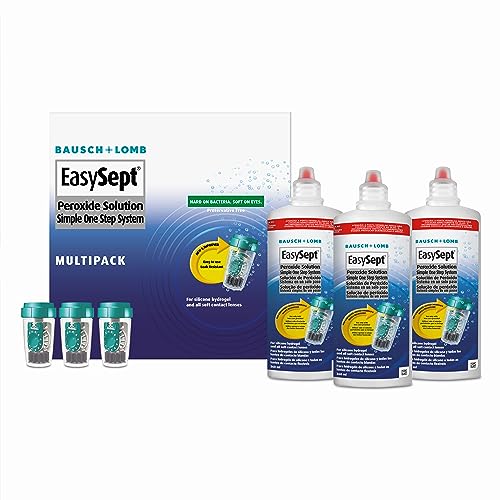
- EasySept Hydrogen Peroxide Multipack, 3x 360ml Contact Lens Solution Simple One Step System for Disinfection of Soft Contact Lense...
- ReNu MultiPlus Multi-Purpose Contact Lens Solution, 3 x 240ml, for Soft Contact Lenses, Moisturise, Remove Protein, Clean, Disinfe...
- Biotrue Multi-Purpose Travel Contact Lens Solution, 100 ml Flight Pack, Cushions and Rehydrates Soft Contact Lenses Comfortable We...
- ReNu Multi-Purpose Contact Lens Solution 3 x 240 ml - Soft Contact Lenses for Comfortable Wear - Gentle on Sensitive Eyes - Clean,...
- Biotrue Multi-Purpose Contact Lens Solution, 2x 300ml - Cushions and Rehydrates Soft Contact Lenses for Comfortable Wear - Conditi...
Monthly Contact Lenses
Monthly contact lenses, on the other hand, are designed for longer wear, typically lasting up to 30 days if properly cared for. These lenses are a more cost-effective option for many users. A single pack can range from 25 to 50 for a supply that lasts a month, making them ideal for individuals who prefer to minimise expenses.
For those who appreciate the flexibility of reusing lenses, monthly options require a bit more maintenance. Users must clean and store their lenses in a suitable solution each night to ensure longevity and comfort. This can be seen as a drawback, particularly for those with a busy lifestyle who may forget to clean and store their lenses properly.
Comfort and Fit
Both types of lenses are available in various designs and materials to suit different vision requirements. Daily lenses often feature thinner designs that promote comfort from the moment they are worn. Many users report feeling fresher and more comfortable with daily lenses, especially if they suffer from dry eyes.
Monthly lenses, whilst thicker, can also provide comfort, especially those made from high-quality materials that retain moisture. It is essential to consult with an eye care professional to determine which type of lens is best suited to your eyes, as the fit can significantly affect overall satisfaction.
Environmental Considerations
In recent years, environmental consciousness has become a significant consideration for many consumers. Daily lenses generate more waste due to their single-use nature. Each pair comes with its own packaging, which adds to environmental concerns. Conversely, monthly lenses may produce less waste overall since they are reused, although users must consider the impact of the cleaning solutions and packaging.
Practical Advice for Choosing
When deciding between daily and monthly contact lenses, consider your lifestyle, budget, and comfort needs. Daily lenses are ideal for those who value convenience and hygiene, while monthly lenses may suit individuals looking for a more cost-effective solution. Consult with your optometrist to explore available options and determine the best fit for your eyes.
Regardless of your choice, always prioritise eye health by following proper care instructions, and schedule regular check-ups with your eye care professional to ensure your lenses are working effectively for your needs.